Tattoo Meanings

Tattoo Meanings & History
Have you ever wondered what your tattoo actually means? There is so much history behind Traditional and Japanese tattooing. From sailors being able to get specific tattoos only after a certain time at sea to Japanese folklore creatures, it’s a rabbit hole worth falling into!
We’ve outlined some of our most common tattoos here as well a brief history of dark traditional and Japanese style tattooing.
If you have any questions about any of them or are interested in booking any of these timeless pieces, click the button below!
Traditional Style Tattoos
-
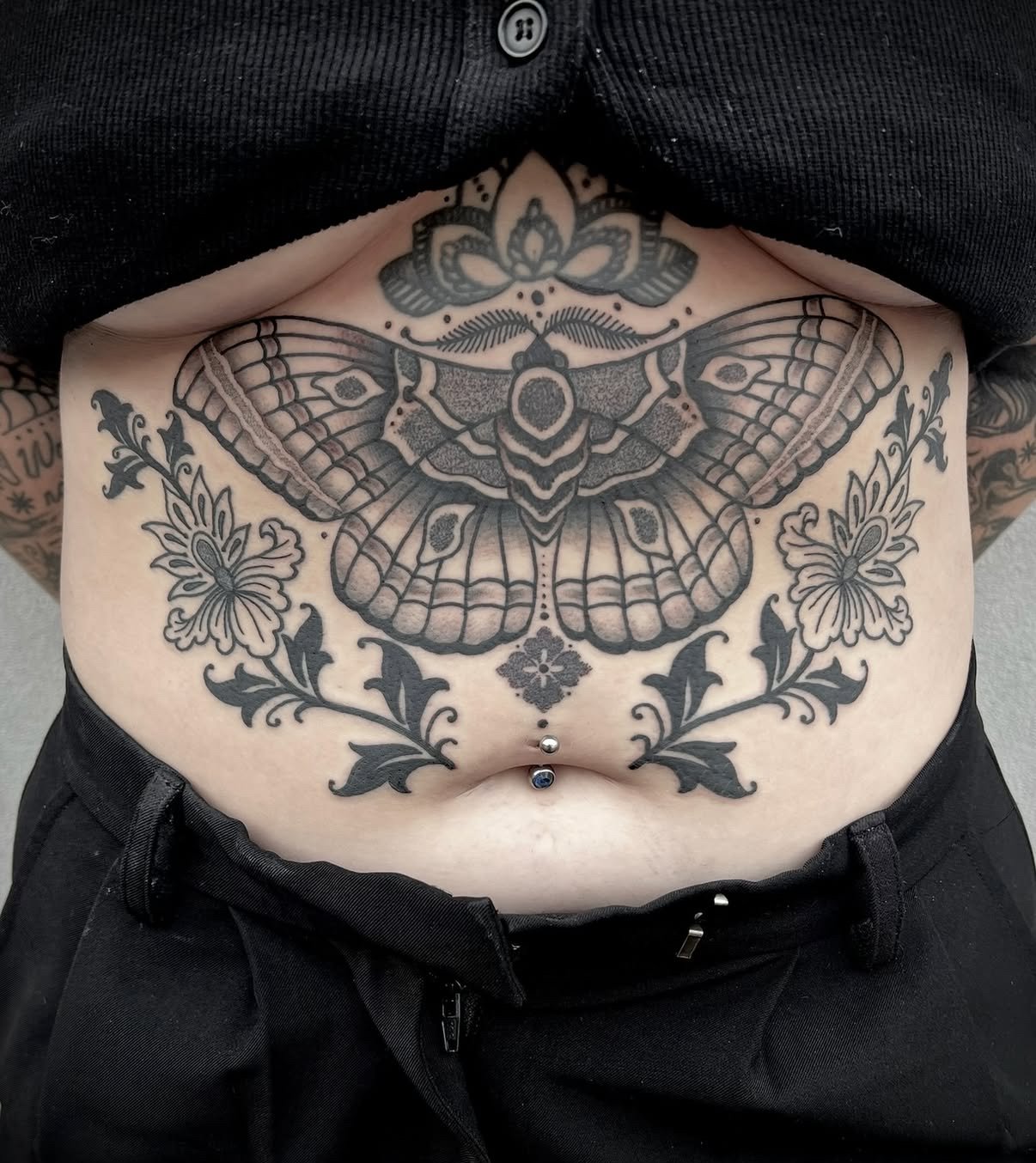
The Moth carries a quiet power — a symbol of transformation, intuition, and the pull toward light.
In traditional tattooing, it often represents change, resilience, and the mystery of what lies beyond the surface.
A traditional moth tattoo reminds us of growth through darkness and the beauty found in evolution.
-
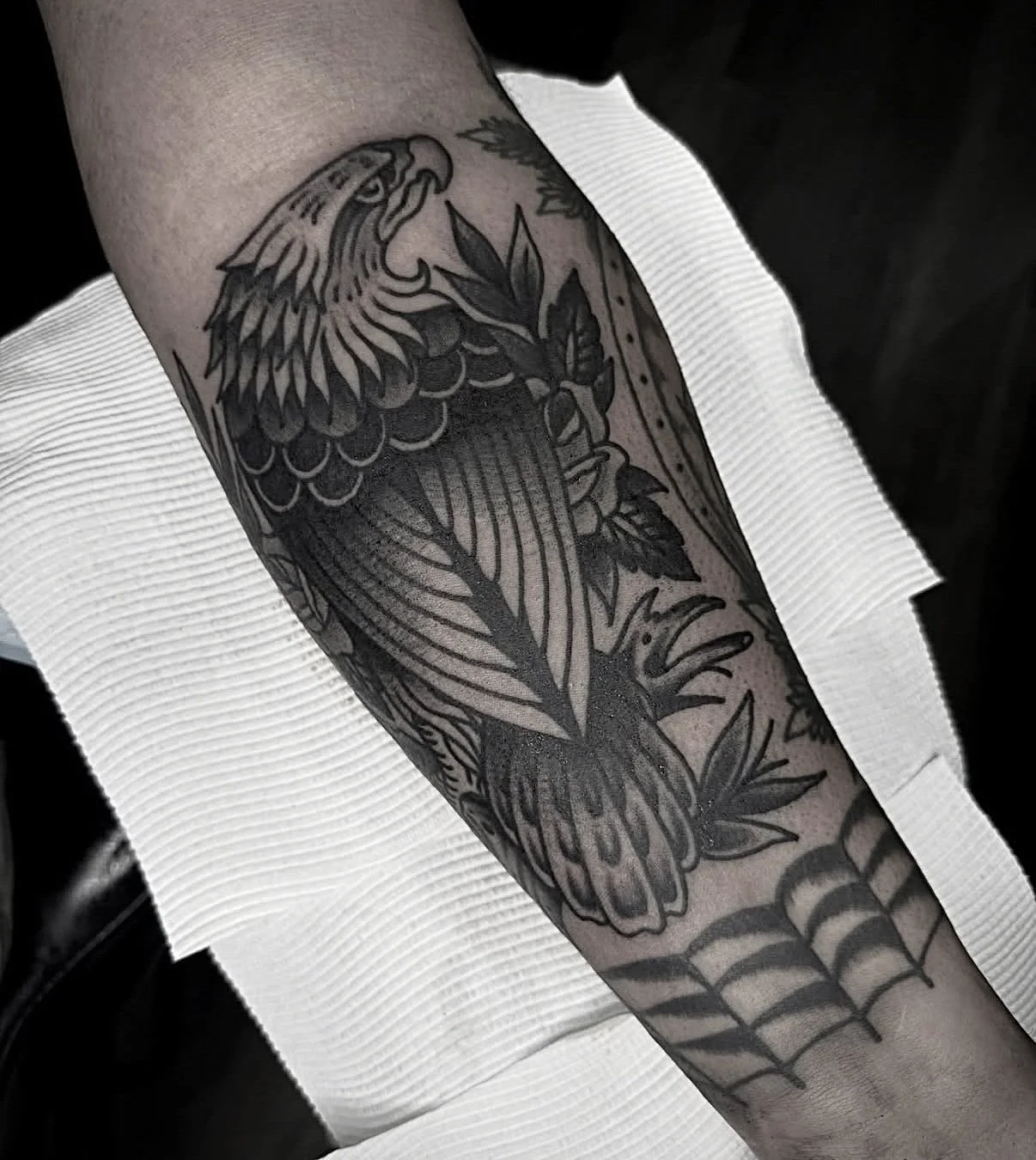
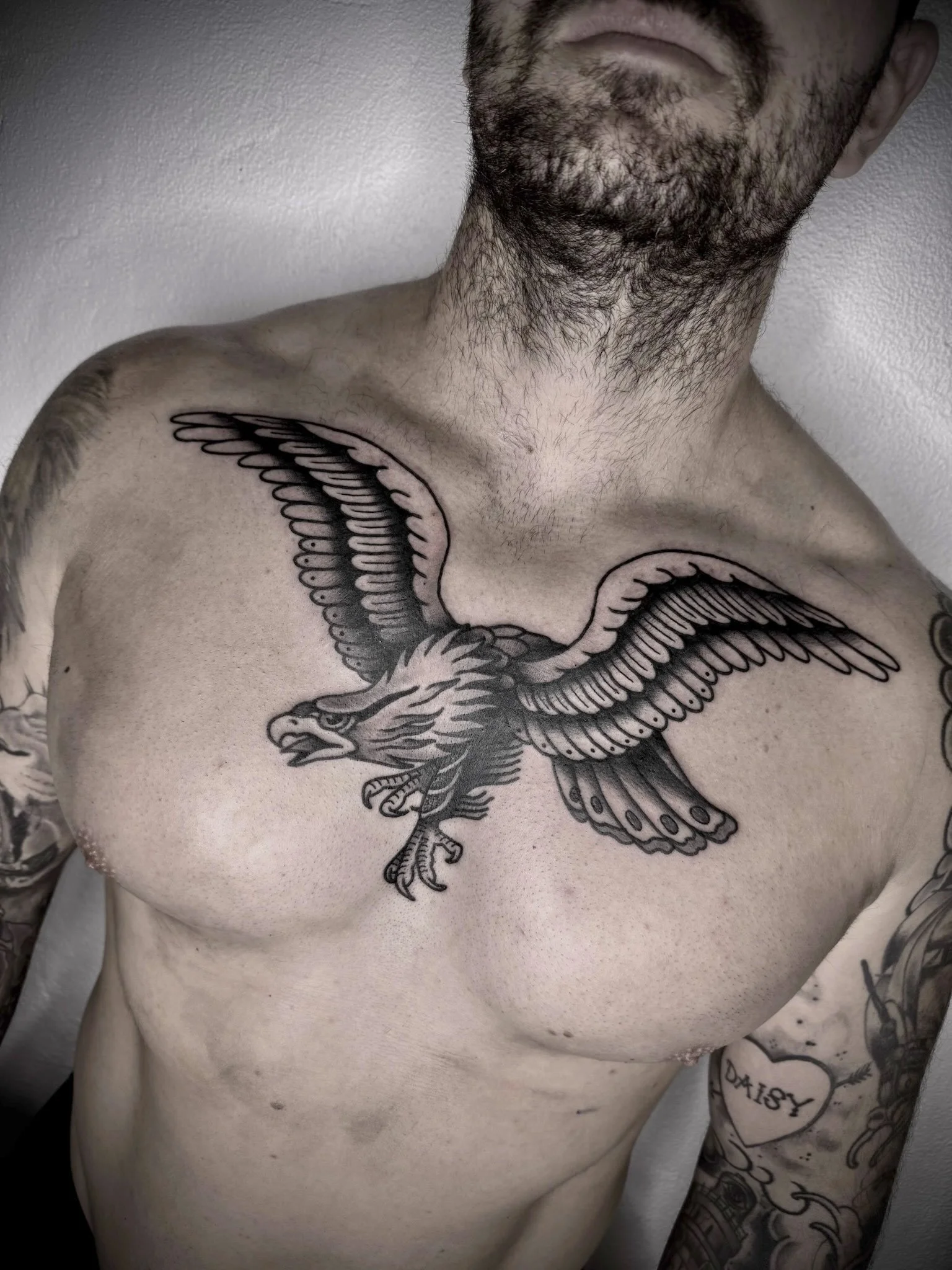
The Eagle stands as a bold symbol of strength, freedom, and resilience in traditional tattooing.
Fierce and commanding, it represents courage, pride, and the will to rise above any challenge.
A traditional eagle tattoo embodies power and independence — a timeless reminder of fearlessness and purpose. -
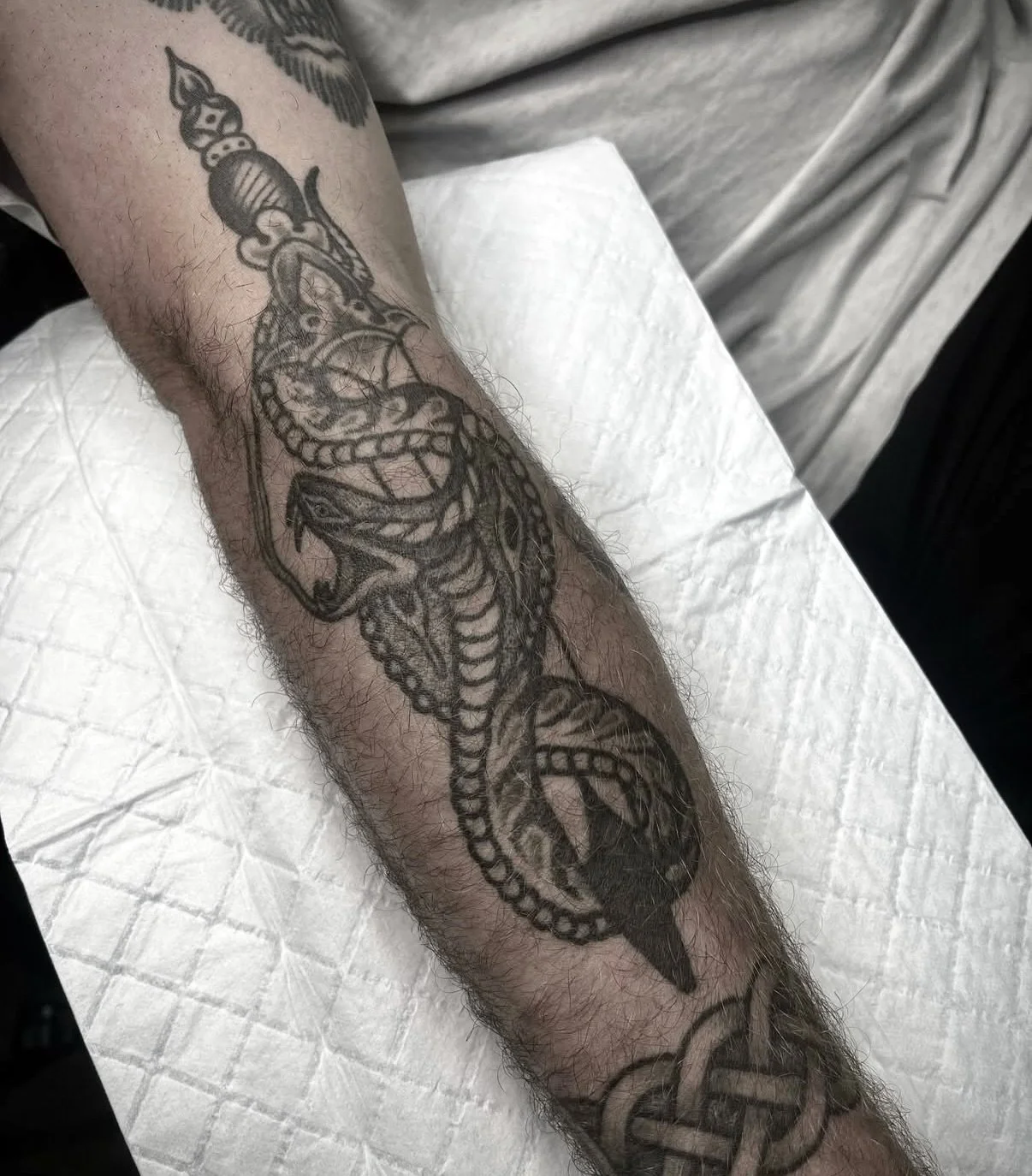
A bold traditional snake tattoo carries a mix of danger, wisdom, and transformation.
In classic tattooing, snakes are seen as protectors and symbols of resilience — shedding what no longer serves them and coming back sharper than before.
In bold, traditional tattooing, this design is a go-to for anyone wanting something fierce, powerful, and timeless. Each snake is tattooed in that iconic, heavy-lined style by Zach, creating a piece that stands out with attitude and meaning.
-
A traditional crocodile tattoo symbolises survival, patience, and raw strength. Crocodiles are ancient predators that have remained powerful and unchanged for millions of years, representing resilience and the ability to adapt in any environment.
Often associated with protection and control, the crocodile reflects quiet confidence — the kind of strength that doesn’t need to prove itself. In traditional tattooing, its bold shape and strong linework create a timeless design built to last.
A crocodile tattoo is a powerful choice for those who value endurance, instinct, and unshakable presence.
-
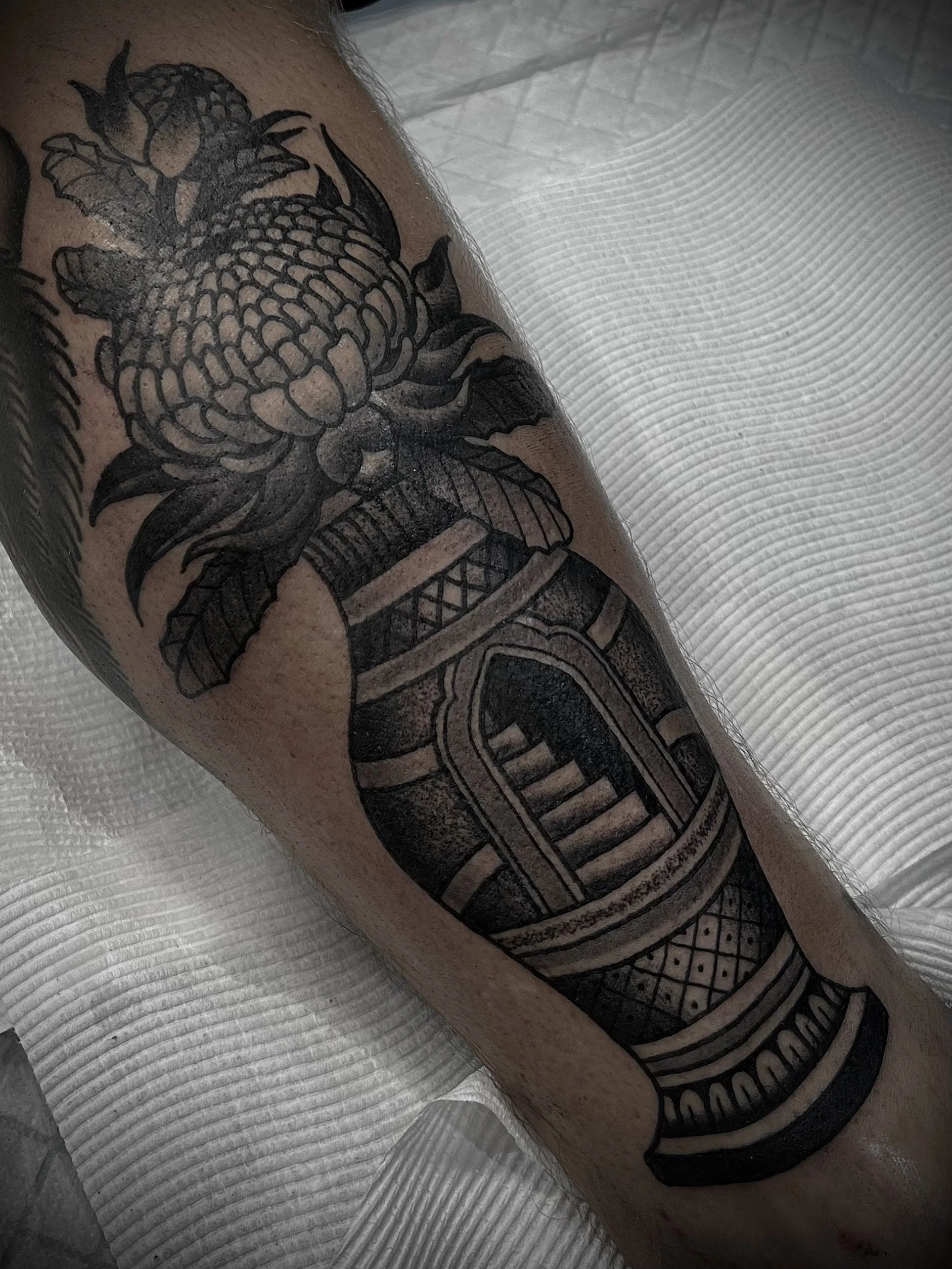
A bold traditional vase with flowers tattoo blends classic symbolism with timeless style.
In traditional tattooing, flowers often represent growth, beauty, and the cycles of life, while the vase grounds the design, symbolising stability and care.
At our private tattoo studio in NSW, Australia, this design is a favourite for clients seeking meaningful, bold traditional tattoos. Each piece is crafted by our traditional tattoo artist in Australia, Zach, to create a striking design that’s both vibrant and full of life. -
The traditional tiger tattoo is a classic symbol of strength, courage, and raw confidence.
In traditional tattooing, the tiger represents power and resilience — standing your ground and facing challenges head-on. It’s a design that carries attitude and authority without needing explanation.Tattooed in a bold traditional style, tiger designs feature strong black lines, solid colour, and high contrast, making them built to last. A traditional tiger tattoo is a timeless choice for anyone drawn to bold imagery and tattoos that hold their impact for life.
-
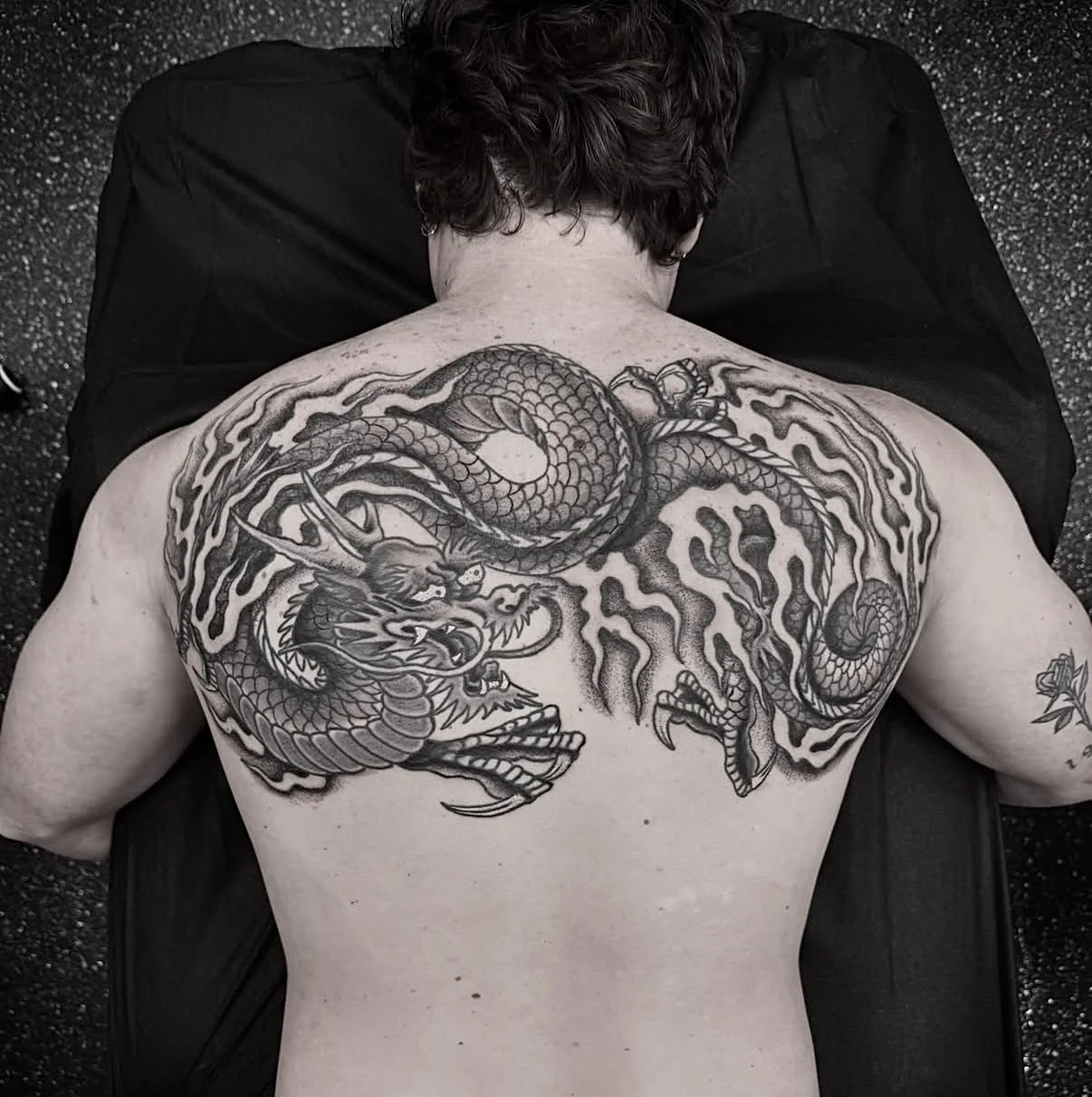
The traditional dragon tattoo is a symbol of strength, dominance, and fearless energy.
In traditional tattooing, dragons represent power, protection, and the ability to overcome obstacles with force and determination.
It’s a design that carries a strong presence and classic tattoo heritage.Tattooed in a bold traditional style, dragon designs use solid lines, strong contrast, and striking composition to create a piece that holds its impact over time. A traditional dragon tattoo is a timeless choice for those drawn to bold symbolism and tattoos that never lose their edge.
Japanese Style Tattoos
-
A Japanese Oni tattoo blends power, protection, and fierce spiritual energy.
Traditionally, Oni are fearsome demons, but in Japanese tattooing they often represent strength, resilience, and the ability to face life’s chaos head-on.
Tattooed in a striking, high-impact style by Zach, an Oni piece becomes a powerful reminder of conquering adversity and owning your inner fire. -
The Japanese traditional Kirin tattoo is a powerful symbol of strength, wisdom, and justice.
Known as a mythical creature that appears during times of peace, the Kirin represents calm authority and moral strength rather than aggression.
It’s often chosen by those who value balance, integrity, and inner power.Tattooed in a traditional Japanese style, Kirin designs are bold yet refined, combining movement, detail, and meaning. A Kirin tattoo is a timeless choice for anyone drawn to Japanese imagery that carries both presence and depth.
-
Yōkai tattoos dive into the strange, playful, and sometimes unsettling world of Japanese folklore.
These supernatural beings can be tricksters, protectors, spirits, monsters, or something in between — each one carrying its own story and energy.
Choosing a Yōkai tattoo is often about embracing the mysterious parts of life, the shadows, the humour, and the things that don’t fit neatly into good or evil. It’s a way of wearing a piece of myth on your skin, honouring the weird, the magical, and the beautifully unpredictable side of Japanese storytelling. -
The Hannya mask embodies the torment of a woman consumed by rage, heartbreak, and betrayal.
Once human, she transforms into a demon driven by obsession and sorrow, her face twisted between fury and agony.
In Japanese tattooing, the Hannya represents the darker edges of emotion — jealousy, vengeance, and suffering — while also serving as a symbol of protection against deceit and harm.
It's a haunting reminder of how love can descend into madness. -
The Japanese tiger tattoo symbolises strength, courage, and protection.
In Japanese tradition, the tiger is seen as a guardian spirit, believed to ward off evil and bring balance and confidence to the wearer.
It represents quiet power — strength that doesn’t need to be loud to be effective.Tattooed in a traditional Japanese style, tiger designs are bold, dynamic, and full of movement. With strong linework and flowing composition, a Japanese tiger tattoo is a timeless choice for anyone drawn to imagery that carries both presence and deeper meaning.
-
In Japanese tattooing, the dragon represents strength, wisdom, and protection.
Unlike its Western counterpart, it’s seen as a benevolent force — a guardian that brings balance and good fortune.
A Japanese dragon tattoo embodies courage and guidance, a powerful symbol of control over one’s destiny and respect for nature’s energy.